How to Prevent Frozen Pipes During a South Jersey Winter
How to Prevent Frozen Pipes During a South Jersey Winter
Freezing winter temperatures can put plumbing at risk throughout South Jersey. When water inside a pipe freezes, it expands and creates pressure that can crack the pipe or damage its connections. A leak may not become apparent until the ice begins to thaw, potentially causing damage to floors, walls, equipment, and other property.
Whether you own a home, manage a commercial building, or maintain a seasonal property at the shore, preparing your plumbing before cold weather arrives can help prevent unexpected damage and interruptions.
1. Insulate Exposed Pipes and Seal Cold Drafts
Pipes in unheated or poorly insulated areas are particularly vulnerable to freezing. Common trouble spots include basements, crawl spaces, garages, attics, utility rooms, and pipes running along exterior walls.
Pipe insulation helps reduce heat loss, while sealing gaps around openings can limit cold air reaching vulnerable plumbing.
Homeowners should pay attention to pipes in garages and under sinks. Business owners and property managers should also inspect utility rooms, storage areas, vacant suites, and commercial spaces where heating may be limited.
2. Keep Your Property Warm During Cold Weather
Maintaining adequate indoor temperatures helps protect plumbing during extended cold spells. Avoid shutting off heat in rooms containing vulnerable pipes simply because they aren't being used regularly.
If you're leaving home for a winter trip, plan how the property will be heated and monitored. Businesses should consider weekends, holiday closures, and other periods when buildings may be unoccupied.
For properties that will remain vacant for an extended period, consult a qualified plumber about whether maintaining heat, winterizing the plumbing, or taking other precautions is appropriate.
3. Special Considerations for Seasonal Shore Homes
Seasonal shore homes can face additional frozen-pipe risks when they remain vacant for weeks or months during winter. Heating may be reduced or shut off, plumbing problems may go unnoticed, and pipes in crawl spaces, garages, and exterior walls may be exposed to freezing temperatures.
This can be a concern in Atlantic County communities such as Ocean City, Brigantine, Ventnor, Margate City, and Longport, as well as Cape May County towns including Sea Isle City, Avalon, Stone Harbor, and Cape May.
If you own a seasonal shore property, make a plan before winter arrives. Maintain adequate heat or arrange for proper winterization based on the building's plumbing system. Simply shutting off the water may not fully protect the property because water can remain inside pipes, fixtures, and appliances.
Consider arranging periodic property checks, especially during prolonged cold spells. If you're unsure how to prepare your property for an extended vacancy, consult a qualified plumber about appropriate precautions.
4. Protect Plumbing Under Sinks and Near Exterior Walls
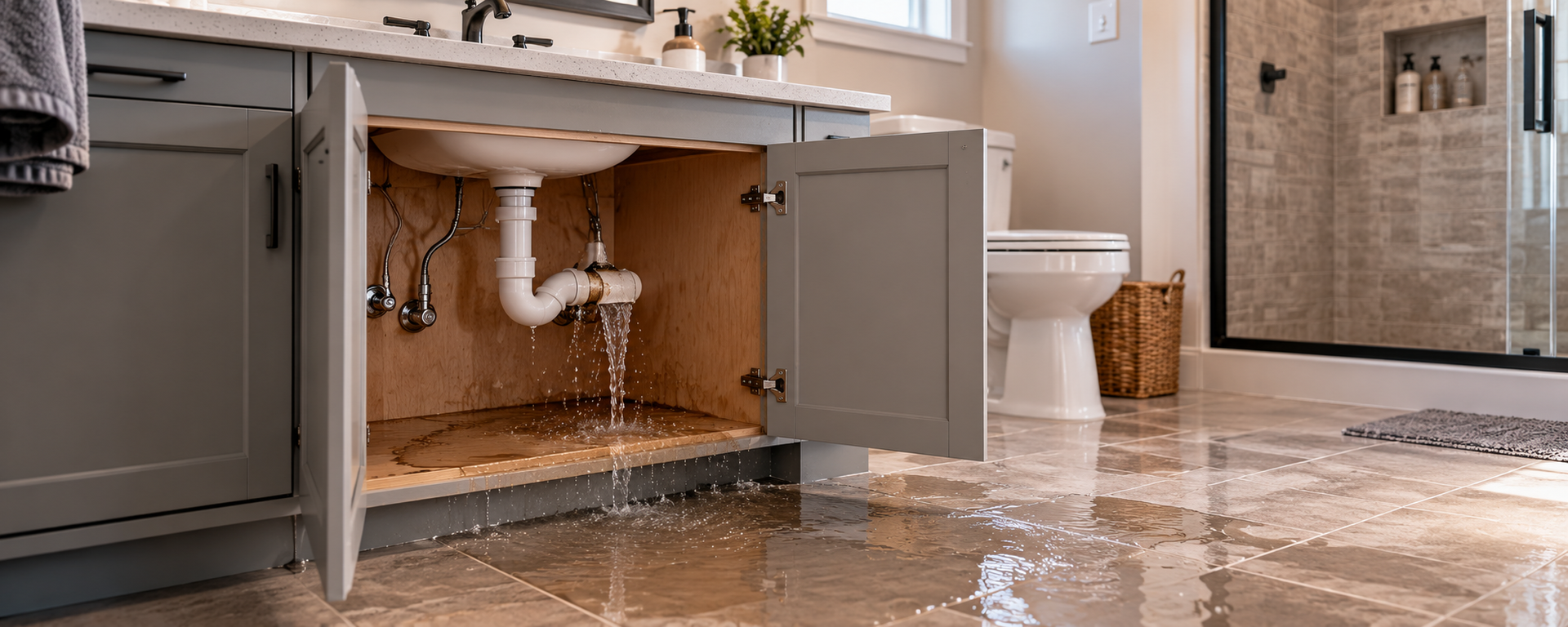
Pipes beneath kitchen and bathroom sinks can be exposed to cold air, especially when cabinets sit against exterior walls. During particularly cold weather, opening cabinet doors can help warmer room air circulate around the plumbing.
Keep the area clear enough for air to reach vulnerable pipes, and avoid blocking heat sources.
The same consideration applies to commercial kitchens, restrooms, and utility areas. Check for pipes near exterior doors or other locations where cold air regularly enters.
5. Recognize the Warning Signs of Frozen Pipes
A frozen pipe may cause reduced water flow, no water from a particular faucet, or unusual changes in water pressure. Frost visible on an exposed pipe can also indicate a problem.
If a fixture suddenly stops delivering water during freezing weather, don't assume the issue will resolve on its own. A frozen pipe may crack and begin leaking as the ice thaws.
Avoid using open flames, torches, or other high-heat sources to thaw pipes. If the pipe is inaccessible, you suspect damage, or you cannot safely determine the cause, contact a plumber.
6. What to Do If a Pipe Freezes
If you suspect a frozen pipe, take precautions to reduce the risk of damage while arranging appropriate help.
- Check for visible cracks or leaks only if the affected area is safe to access.
- If the pipe has burst or water is leaking, shut off the main water supply if you can do so safely.
- Keep clear of electrical hazards and wet areas near electrical equipment.
- Never use an open flame to thaw a pipe.
- Contact a plumber if the pipe cannot be safely addressed or you suspect it has been damaged.
For businesses, restrict access to affected areas if wet floors or other hazards could put employees and customers at risk. For seasonal properties, arrange for someone to check the building if you cannot get there yourself.
If a frozen pipe bursts, read our guide on what to do when a pipe bursts for additional steps to help limit damage while arranging repairs.
Make Frozen Pipe Prevention Part of Your Winter Routine
A few preventive checks can help protect plumbing throughout the winter:
- Inspect exposed pipes and add insulation where appropriate.
- Seal drafts near plumbing in exterior walls and unheated spaces.
- Maintain adequate heat or arrange appropriate winterization for vacant properties.
- Make sure household members or designated building personnel know where the main water shutoff valve is located.
- Address recurring leaks or plumbing concerns before freezing weather arrives.
- Include vulnerable plumbing in routine checks of commercial buildings and seasonal properties.
Preparing ahead of a cold spell is generally easier than dealing with a frozen or burst pipe afterward.
Steen & Son Plumbing and Heating provides plumbing services for residential and commercial properties throughout South Jersey, including Atlantic, Cape May, Burlington, Camden, Cumberland, Gloucester, and Salem Counties. If you're concerned about vulnerable pipes or need help with a plumbing problem, contact our team to discuss your property's needs.