What Causes a Slow or Clogged Drain?
What Causes a Slow or Clogged Drain?
A slow-draining sink, backed-up shower, or clogged kitchen drain can quickly become frustrating. While some blockages develop gradually from everyday use, others can indicate a deeper problem within the plumbing system.
For homeowners, a clogged drain can disrupt daily routines. For businesses such as restaurants, offices, and retail properties, drainage problems can interfere with cleaning, restroom use, and normal operations. Understanding common causes can help you determine what to try safely and when to call a plumber.
1. Common Causes of Slow or Clogged Drains
Different fixtures collect different types of debris, but several common issues can restrict drainage.
- Kitchen Sinks: Grease, cooking oils, food scraps, and soap residue can accumulate inside drainpipes.
- Bathroom Sinks: Hair, soap residue, and personal care products can contribute to blockages.
- Showers and Tubs: Hair and soap buildup can gradually restrict water flow.
- Toilets: Excessive toilet paper or items that should not be flushed can cause blockages.
- Commercial Drains: Kitchens, restrooms, and frequently used sinks may experience buildup from heavier daily use.
In restaurants and other commercial kitchens, grease and food waste require particular attention. Pouring grease down a drain can contribute to stubborn blockages, even when hot water is used afterward.
2. What Can You Safely Try Before Calling a Plumber?
For a minor blockage, a few basic steps may help. Remove visible debris from the drain opening if it is safe to do so, and clean a removable sink stopper according to the fixture manufacturer's instructions.
A sink plunger may help dislodge some clogs when used correctly. Follow the manufacturer's guidance and avoid plunging if you have already poured chemical drain cleaner into the fixture, as the chemicals may splash back.
Avoid repeatedly using harsh chemical drain cleaners, mixing cleaning products, or forcing tools deep into the pipes. These approaches can create safety hazards or damage plumbing components.
If multiple fixtures are backing up, wastewater is overflowing, or the blockage keeps returning, stop using the affected fixtures and contact a plumber.
3. When a Clogged Drain May Indicate a Bigger Problem
A blockage close to a fixture may be relatively simple to address, but recurring or widespread drainage problems can indicate an issue farther along the plumbing system.
Watch for these warning signs:
- Several sinks, showers, or toilets draining slowly at the same time
- Water backing up into another fixture when one is used
- Gurgling sounds coming from drains
- Persistent unpleasant odors
- Repeated clogs in the same location
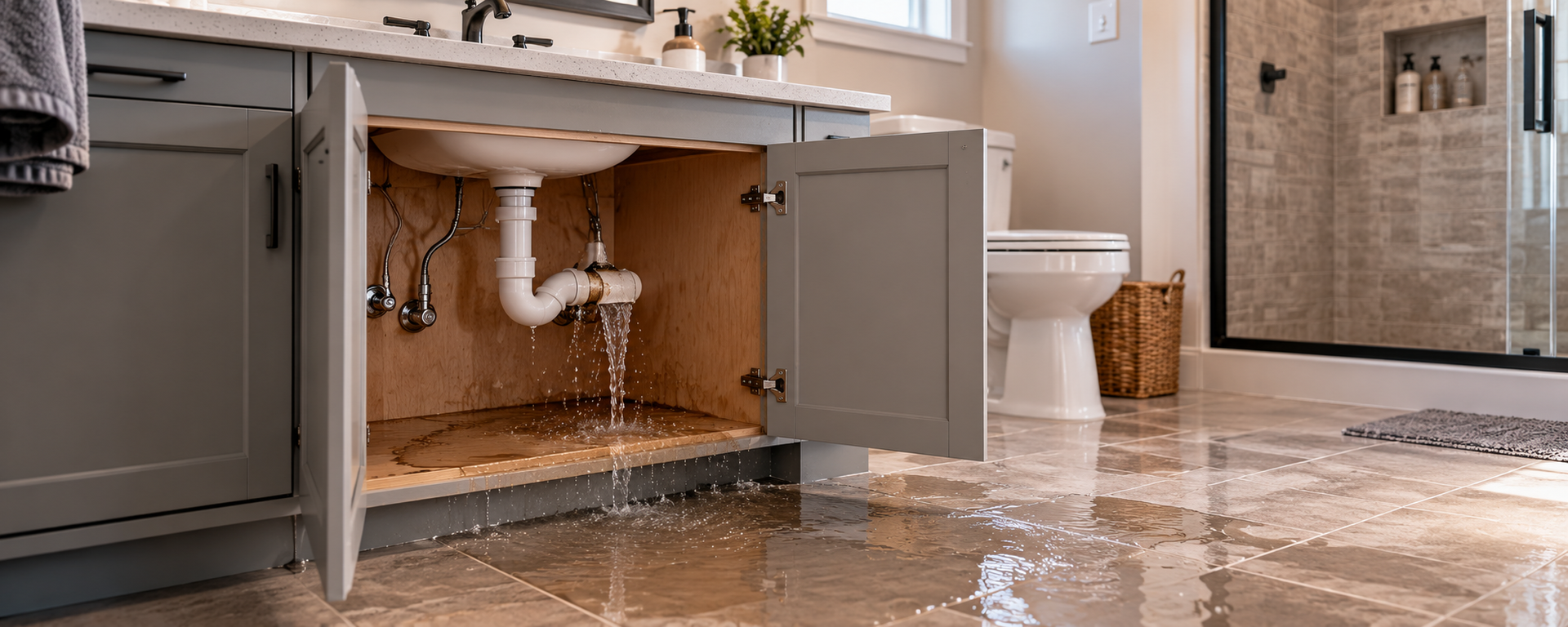
- Wastewater backing up into a sink, tub, or floor drain
These symptoms can have different causes, so avoid assuming that a single clogged fixture is responsible. If wastewater is backing up, limit use of the affected plumbing and arrange professional assistance.
4. How to Help Prevent Future Drain Clogs
Simple habits can help reduce the likelihood of recurring blockages.
- Keep grease, cooking oil, and food scraps out of kitchen drains.
- Use appropriate drain screens to catch hair and debris.
- Dispose of wipes, hygiene products, and other unsuitable materials in the trash rather than flushing them.
- Clean accessible sink stoppers regularly.
- In commercial kitchens, follow appropriate grease-management practices and maintain drains used heavily throughout the workday.
- Address slow drainage early rather than waiting until a fixture becomes completely blocked.
For business owners and property managers, routine checks of restrooms, break rooms, kitchens, and other frequently used areas can help identify developing drainage problems before they disrupt operations.
When to Call a South Jersey Plumber for a Clogged Drain
If basic cleaning does not resolve the problem, the drain repeatedly becomes blocked, or several fixtures are affected, professional plumbing service can help identify the cause and determine the appropriate repair.
Steen & Son Plumbing and Heating provides drain cleaning and unclogging services for residential and commercial customers throughout South Jersey.
A member of our team can assess whether the issue involves a localized blockage, restricted piping, or another drainage problem and how to fix it.
If you're dealing with a stubborn clog or recurring drainage issue, contact Steen & Son Plumbing and Heating to discuss the problem and determine the next steps.