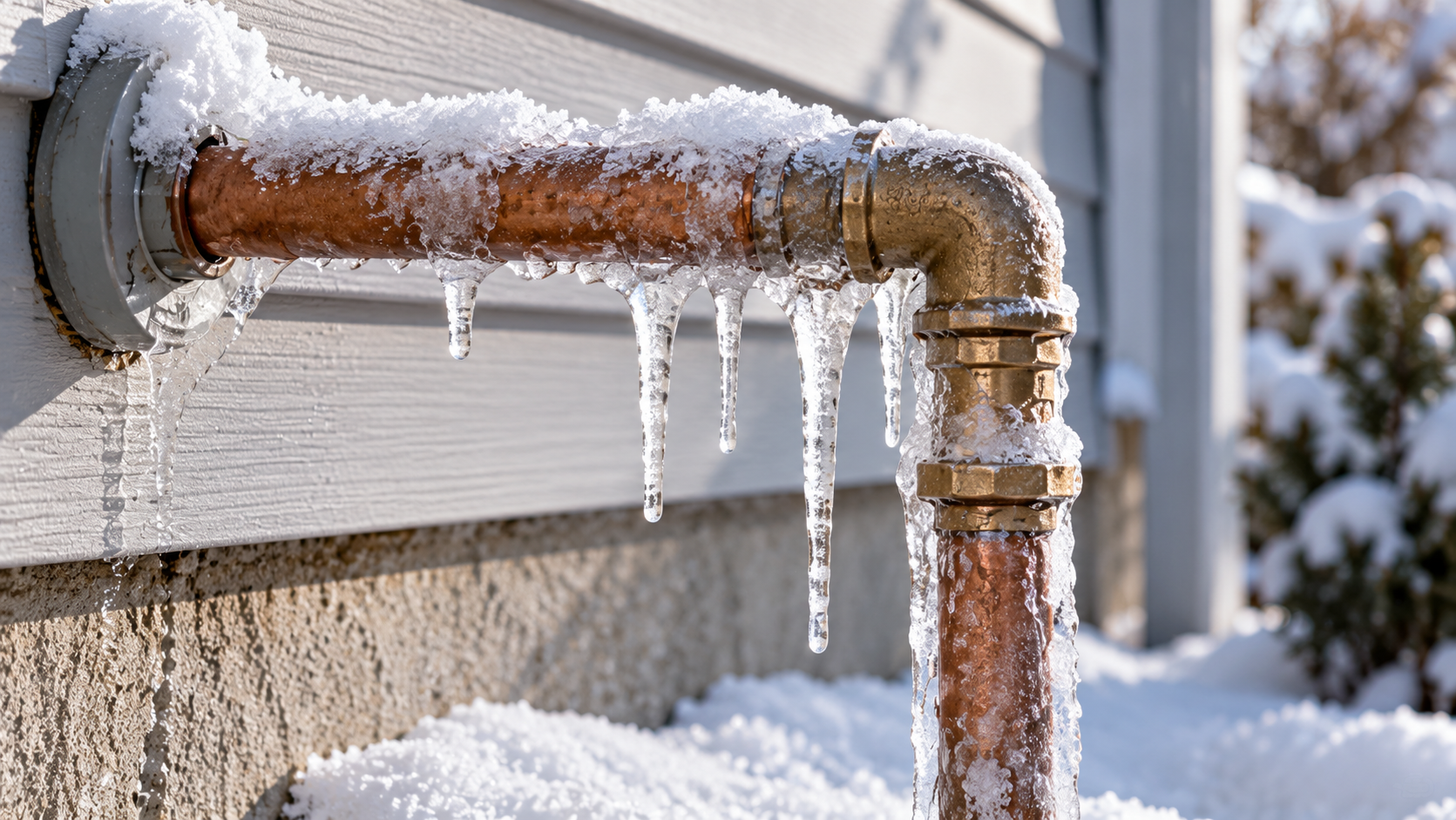
What to Do When a Pipe Bursts in Your Home or Business
What to Do When a Pipe Bursts in Your Home or Business
A burst pipe can release a significant amount of water in a short time, damaging floors, walls, ceilings, equipment, inventory, and personal belongings. For homeowners, it can disrupt everyday routines and cause expensive property damage. For business owners, a plumbing emergency can also create safety concerns, interrupt daily operations, and affect employees and customers.
Knowing what to do when a pipe bursts can help limit the damage while you arrange for professional plumbing repairs. Whether the problem occurs in a house, office, retail space, restaurant, or another commercial property, the priorities are the same: stop the water if it is safe to do so, avoid electrical hazards, protect the affected area, and get the problem addressed promptly.
Steen & Son Plumbing and Heating provides plumbing services for residential and commercial properties throughout South Jersey. Here's what to do if a pipe bursts and how to reduce the risk of similar problems in the future.
1. Shut Off the Water Supply
The first priority is to stop water from continuing to flow through the damaged pipe.
If you can safely access your property's main water shutoff valve, turn it off. The valve is often located near where the main water line enters the building, although its location varies by property.
If the leak is isolated to a fixture and you know how to operate its individual shutoff valve, you may be able to stop the flow there. If you're unsure where the water is coming from or cannot stop it locally, shut off the main supply if it is safe to do so.
For business owners and commercial property managers, knowing the location of the main shutoff valve before an emergency occurs is particularly important. In a larger building, the shutoff may be in a utility room, mechanical space, or another designated area. Make sure the appropriate staff members or building personnel know how to locate it.
If you're a tenant and cannot access the shutoff, notify the property manager or building owner immediately while arranging appropriate plumbing assistance.
Safety first: If water is near electrical outlets, wiring, appliances, or an electrical panel, do not enter the affected area or touch electrical equipment. Keep employees, customers, residents, and visitors away from the hazard. If you suspect an electrical danger, contact the appropriate emergency professional.
2. Turn Off the Water Heater if Appropriate
If you've shut off the main water supply, the condition and type of your water heater may need attention.
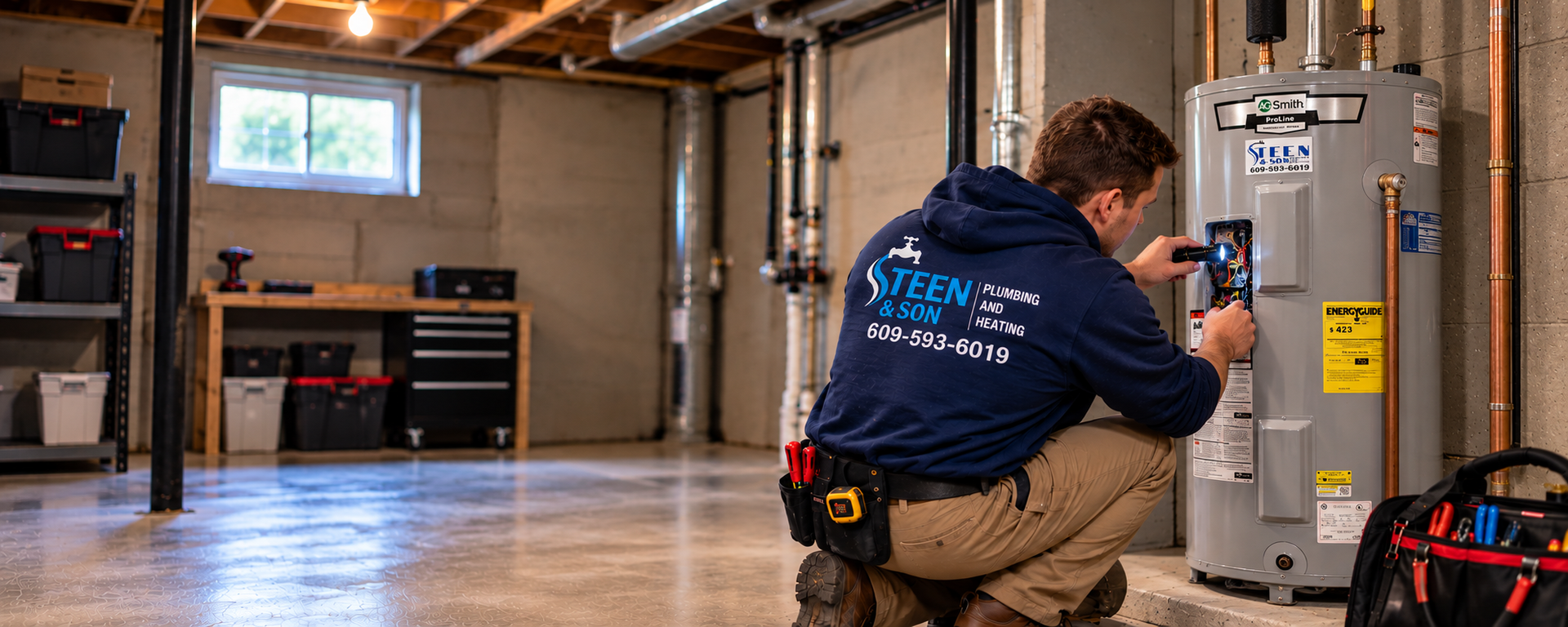
For a conventional tank-style water heater, follow the manufacturer's instructions for shutting down the equipment when the water supply is interrupted. If the tank may be emptying, has been damaged, or you are unsure how to shut it down safely, leave it alone and seek professional guidance.
The same consideration applies to commercial properties with water heaters serving multiple fixtures, restrooms, kitchens, or other areas. Avoid making assumptions about how the equipment should be shut down, particularly if it involves gas or electrical connections.
Do not attempt to disconnect gas lines, work on electrical components, or dismantle the water heater yourself.
3. Relieve Remaining Water Pressure
After the water supply has been shut off, opening a nearby cold-water faucet may help release pressure and allow some remaining water to drain from the plumbing system.
This step may help in some situations, but it will not remove all the water trapped in the pipes and may not be appropriate for every type of leak. Avoid using fixtures if doing so could worsen the problem or expose you to contaminated water or other hazards.
In commercial buildings, be mindful that a plumbing system may serve multiple rooms, restrooms, work areas, or connected fixtures. Don't assume that operating one faucet will resolve the problem throughout the building.
If the damage is extensive or you cannot safely access the affected plumbing, wait for professional assistance.
4. Protect Your Property and Limit Water Damage
Once the water has been stopped and the area is safe to enter, take reasonable steps to protect the property and limit additional damage.
For homeowners, this may mean moving furniture, rugs, electronics, and other personal belongings away from the affected area. For businesses, the priorities may also include protecting merchandise, office equipment, documents, supplies, and other valuable assets.
Consider these steps:
- Move furniture, electronics, inventory, and other belongings away from the affected area if you can do so safely.
- Use towels or buckets to collect small amounts of water where practical.
- Keep people away from wet, slippery floors and areas with possible electrical hazards.
- Notify employees, customers, tenants, or building management as appropriate.
- Take photos or videos of the damage for your records and any insurance claim.
- Contact a qualified water-damage restoration professional if water has spread into walls, ceilings, flooring, insulation, or other building materials.
For businesses, consider whether the affected area should be temporarily closed or restricted until it can be assessed. A wet sales floor, damaged office space, or flooded work area can create hazards even after the water stops flowing.
Do not assume that visible water is the only problem. Moisture can travel beneath flooring and behind walls, so hidden damage may remain even after the surface appears dry.
5. Arrange Professional Plumbing Repairs
Once you've taken the immediate safety steps, arrange for a plumber to assess and repair the damaged pipe. A burst pipe may result from freezing temperatures, corrosion, excessive water pressure, deteriorating connections, or physical damage.
The visible break is not always the only issue that needs attention. A plumber can assess the damaged section, identify the likely cause, and determine what repairs are needed to restore the plumbing system.
For homeowners, restoring the water supply is often the immediate concern. For businesses, the impact may extend beyond the repair itself. A burst pipe can interrupt restroom access, affect kitchen operations, damage work areas, or prevent employees from using parts of the building.
The appropriate response depends on the location and severity of the damage. Avoid restoring water pressure before the damaged plumbing has been properly addressed.
Steen & Son Plumbing and Heating provides plumbing services for residential and commercial properties throughout South Jersey. If a pipe bursts in your home or business, contact our team to discuss the situation and determine the appropriate next steps.
If the water cannot be shut off, the leak is spreading, or the damage threatens the safety of the property, treat the situation as urgent.
6. Assess Damage to Flooring, Walls, and Building Materials
After the plumbing problem has been addressed, inspect the affected areas for signs of water damage. Flooring, drywall, insulation, cabinetry, ceiling materials, and other building components can absorb moisture, sometimes causing problems that become more noticeable over time.
Look for warning signs such as:
- Swelling, buckling, or lifting flooring
- Discoloration or soft spots on walls and ceilings
- Warped baseboards, trim, or cabinetry
- Persistent dampness or musty odors
- Water collecting beneath cabinets, appliances, or equipment
In commercial properties, also consider damage to built-in fixtures, storage areas, office furnishings, retail displays, and other materials in the affected space.
Avoid disturbing sagging ceilings or visibly weakened building materials. Water-damaged areas may need to be assessed by a qualified restoration professional or contractor before repairs begin.
What If a Burst Pipe Damages Your Flooring?
Water exposure affects different flooring materials in different ways. Hardwood may swell or warp, laminate can sustain damage to its core and edges, and carpet or padding may retain moisture. Tile and other hard-surface flooring can also be affected if water reaches the underlying materials or surrounding structures.
These concerns apply to both residential and commercial properties. A homeowner may need to evaluate flooring in a kitchen, bathroom, or basement, while a business owner may need to assess flooring in an office, showroom, retail space, or other occupied area.
Once the source of the water has been addressed and the affected area has been assessed, flooring can be evaluated to determine whether repair or replacement is appropriate.
If your flooring has sustained damage, Harbor Flooring & Tile offers a variety of flooring options for property owners considering new flooring. The appropriate choice will depend on the existing material, the extent of the damage, and the needs of the space.
7. Understand Why the Pipe Burst
Repairing the damaged section is important, but understanding what caused the failure can help reduce the chance of another plumbing emergency.
Common causes include:
- Frozen Pipes: Water expands as it freezes, creating pressure that can damage or split a pipe.
- Corrosion: Older metal piping can deteriorate over time and become more vulnerable to leaks.
- Excessive Water Pressure: Pressure that is too high can place unnecessary strain on pipes, fittings, and other plumbing components.
- Worn or Damaged Connections: Joints, fittings, and other components can fail as they age or become damaged.
- Physical Damage: Pipes can be damaged during renovation work, accidental impacts, or other activities.
The circumstances surrounding a pipe failure can differ between residential and commercial properties. For example, pipes in a home's crawl space may be vulnerable to freezing, while plumbing in an infrequently used commercial area may be exposed to low temperatures if the space is not adequately heated.
Commercial property owners and managers should also consider plumbing in vacant suites, storage rooms, utility areas, and other spaces that may receive less attention during routine building checks.
The appropriate preventive measures depend on the cause. If the reason for the failure is unclear, have the plumbing system assessed rather than assuming that replacing the visibly damaged section will resolve every underlying issue.
8. Take Steps to Prevent Another Burst Pipe
Preventive maintenance can help protect residential and commercial plumbing systems, especially during South Jersey's colder months.
Consider these measures:
- Insulate Exposed Pipes: Pay attention to plumbing in basements, crawl spaces, garages, utility rooms, and other areas exposed to cold temperatures.
- Seal Drafts: Reduce cold air entering through gaps near pipes in exterior walls and other vulnerable locations.
- Maintain Adequate Heat: Keep properties sufficiently heated during cold weather, including when occupants are away.
- Know Where Shutoff Valves are Located: Make sure household members or designated building personnel know how to locate the main water shutoff.
- Address Recurring Plumbing Problems: Have persistent leaks, unusual pressure changes, and other concerns evaluated before they become more serious.
- Prepare Vacant or Infrequently Used Spaces: Property owners and managers should consider appropriate precautions for plumbing in buildings, suites, and rooms that may not be regularly occupied.
- Plan for Cold Weather: Review vulnerable areas before a significant cold spell rather than waiting until a pipe freezes.
For businesses, prevention may also involve establishing a routine for checking utility areas and vulnerable plumbing during periods of reduced occupancy, holiday closures, or seasonal shutdowns.
Pipes can freeze even when outdoor temperatures are above the freezing point of water, particularly when they are exposed to cold drafts or poorly insulated spaces. Taking precautions before a cold spell is much easier than dealing with a burst pipe afterward.
When Should You Call a Plumber for a Burst Pipe?
Contact a plumber when a pipe has split, a leak cannot be stopped, water is spreading through the property, or you suspect damage inside a wall or ceiling. Professional assistance is also important when the cause of a pipe failure is unclear or similar problems keep recurring.
For a business, a burst pipe may require prompt attention when it affects restrooms, work areas, customer spaces, or other essential parts of the building. For a home, the concern may be interrupted water service, damage to living areas, or the risk of further property damage.
If a burst pipe affects a kitchen or bathroom and the area ultimately requires upgrades or renovation, Steen & Son Plumbing and Heating can also discuss its kitchen and bathroom remodeling services and the plumbing work involved in those projects. The appropriate scope of work depends on the condition of the existing plumbing and the needs of the property.
If you're facing an urgent plumbing problem, contact Steen & Son Plumbing and Heating to discuss your situation and determine the appropriate next steps.
Need Help With a Burst Pipe in South Jersey?
A burst pipe can disrupt a household or bring business operations to a halt, but taking the right steps early can help limit damage and make the repair process more manageable.
Shut off the water if it is safe to do so, keep people away from hazardous areas, protect your belongings or business assets, and arrange for professional plumbing assistance.
Steen & Son Plumbing and Heating serves residential and commercial customers throughout South Jersey, including Atlantic, Burlington, Camden, Cape May, Cumberland, Gloucester, and Salem Counties.
Whether you're dealing with a burst pipe at home or a plumbing emergency at your business, contact Steen & Son Plumbing and Heating to discuss your needs and determine the next steps.